
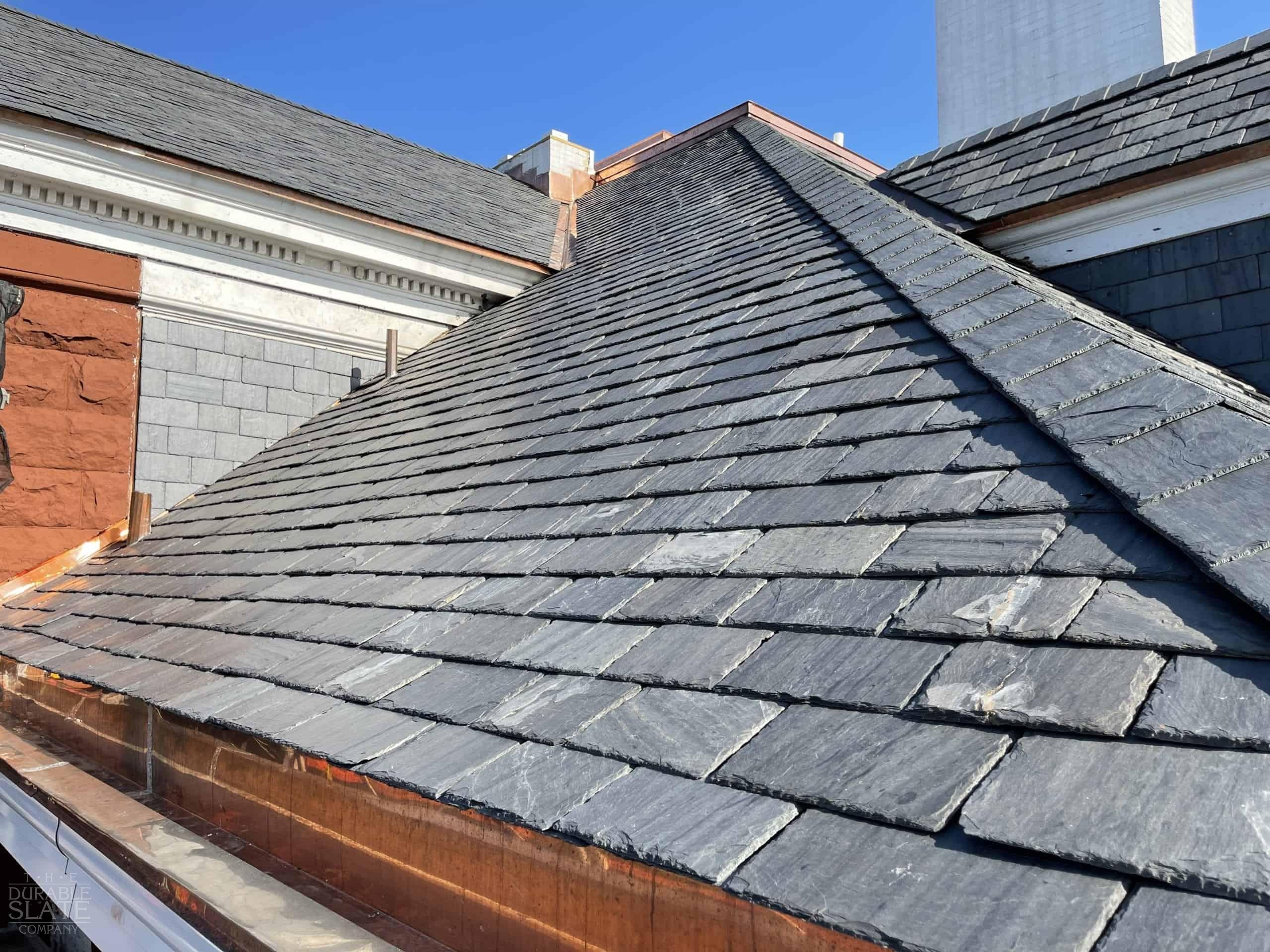
Getting a new roof is a big step for any homeowner. It is one of the most expensive repairs you can make. When you call a roofing contractor, they do not just guess a number. They use a specific system to figure out the price. Estimating starts with measuring “squares” and checking for hidden rot. The roof’s complexity and pitch then determine the amount of labor and material waste. Chosen materials, like asphalt or metal, set the base price. Contractors also factor in site access, removal of old shingles, and necessary permits. Additional costs arise from structural repairs or custom upgrades, such as skylights. Finally, regional taxes and safety needs complete the calculation of total project expenses.
Discover How Roofing Contractors Calculate Project Expenses
Here’s how contractors break down roofing costs.
- Roof Measurement and Size Calculation
The first thing a contractor does is find the size. They measure the length and width of every section. The total surface area is the main basis for the cost. If your roof is very steep, they add a pitch adjustment. A steep slope means there is more actual surface to cover than a flat view suggests.
- Roof Inspection and Condition Assessment
Next comes the inspection. The professionals climb up to inspect the wear and tear. They look for visible damage, such as missing shingles and also hidden issues. They check for soft spots that mean rot and for leaks around old vents. If the wood underneath is damaged, the cost goes up. Are you sure your roof is solid underneath? If it is not, repairs become a significant part of the bill.
- Roof Design, Pitch, and Complexity
Not all roofs are simple shapes. Some have multiple angles and features. Steep roofs need more safety steps. Flat roofs are easier to work on. But complex designs increase both time and cost.
Roof components that add complexity include:
- Valleys
- Dormers
- Chimneys
- Skylights
- Irregular shapes
A simple roof takes less time. A complex roof creates more waste and requires more effort.
- Material Selection and Cost Estimation
Materials play a big role in the total price. Different options come with different costs. Common materials include asphalt shingles, metal, tile, and slate. Asphalt is often the most affordable. Slate is usually more expensive. Contractors also consider quality and brand. Better materials last longer but cost more upfront. Then they estimate how much material is needed. And they add a waste factor. This is usually around 10 to 20 percent. For example, cutting shingles for edges creates leftover pieces. These should be included in the estimate.
- Labor Costs and Installation Requirements
Labor is a major part of the total cost. It depends on the size and difficulty of the job. A larger crew can finish faster. But it may cost more per day. Skilled workers also charge higher rates.
Here is what affects labor cost:
- Roof size
- Roof pitch
- Project duration
- Worker experience
- Safety setup
And safety matters a lot. Steep roofs need harnesses and extra care. That increases time and cost.
- Site Access, Roof Removal, and Preparation Costs
Site conditions and removal work both affect the total cost. If a truck cannot reach your roof, workers must carry materials by hand, which takes more time. Tight spaces also make the job harder. Most projects begin with removing old shingles, which is messy. Disposal fees add up, especially with multiple layers. Contractors also protect your yard using tarps or boards during preparation.
- Structural Repairs and System Components
Sometimes, problems appear after removal. And this can change the estimate.
Contractors may need to fix:
- Roof decking
- Insulation
- Underlayment
- Flashing
- Ventilation systems
- Permits, Regulations, and Regional Cost Factors
Roofing projects often require permits. These depend on local building rules. Contractors should follow codes and safety standards. They also need insurance.
Costs can vary by region due to:
- Labor rates
- Material prices
- Permit fees
- Local taxes
- Climate conditions
A project in one city may cost more than the same job in another.
- Additional Features and Custom Upgrades
Some homeowners want extra features. These add value but also increase cost.
Common upgrades include:
- Skylights
- Solar panels
- Chimney work
- Better ventilation
- Energy coatings
Want a modern look? Or better efficiency? Then these upgrades may be worth it. But each addition increases the total estimate.
Conclusion
Understanding a roofing estimate helps you feel more in control. It is not just a random number on a page. It is a detailed map of your home’s needs. Roofing estimates depend on many factors, starting with size, pitch, and overall roof design. Roofing contractors inspect for visible and hidden damage, which can increase repair costs. Material choices and labor needs also shape the final price, especially for complex or steep roofs. Site access, removal work, and preparation add extra effort and cost. Permits, regional pricing, and upgrades further impact estimates, making each project unique and carefully calculated.