
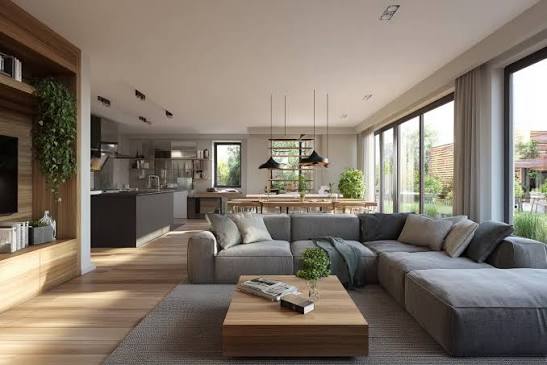
A beautifully decorated home may look impressive in photographs, but its real value becomes clear during everyday activities. From preparing breakfast in a busy kitchen to finding a quiet corner after a long day, practical home features can make ordinary routines noticeably easier. Thoughtful design is not simply about choosing attractive furniture or following interior trends. It involves understanding how people use their living spaces and creating an environment that supports their habits, responsibilities, and comfort.
Modern homeowners are increasingly recognizing that functionality deserves as much attention as appearance. A well designed home should reduce unnecessary effort, accommodate changing needs, and make daily activities feel more manageable.
Smart Storage That Keeps Everyday Clutter Under Control
Storage is one of the most valuable features in a functional home. Even spacious properties can feel crowded when everyday belongings have no designated place. Built in cabinets, concealed drawers, and multifunctional furniture help maintain an organized environment without sacrificing visual appeal.
Entryway storage is particularly useful for managing shoes, bags, jackets, and other frequently used items. Similarly, kitchen organizers and adjustable shelving make essential supplies easier to access. These practical additions reduce the time spent searching for belongings and encourage consistent organization.
For households exploring ideas related to modern parenting Australia, accessible storage can be especially beneficial. Child friendly shelves, organized play areas, and dedicated spaces for school supplies allow families to manage everyday responsibilities while encouraging children to develop independent habits.
Kitchen Layouts That Support Comfortable Daily Routines
A kitchen should offer more than attractive countertops and stylish cabinetry. Its layout should make cooking, cleaning, and moving between different activities convenient. Thoughtful placement of appliances, preparation areas, and storage can significantly improve the cooking experience.
Deep drawers for cookware, pullout pantry shelves, and accessible waste disposal systems simplify common kitchen tasks. Adequate countertop space also allows multiple household members to prepare meals or complete activities without constantly interrupting one another.
Lighting deserves equal consideration. Combining natural daylight with focused illumination around preparation surfaces improves visibility and creates a more welcoming atmosphere. Practical kitchen improvements can make a meaningful difference without requiring an extensive renovation.
Comfortable Living Spaces That Serve Multiple Purposes
Living rooms increasingly accommodate activities beyond relaxation. They may function as entertainment areas, temporary workspaces, reading corners, or gathering places for family conversations. Flexible furniture arrangements allow these spaces to adapt without feeling overcrowded.
Modular seating, lightweight tables, and furniture with concealed storage provide versatility. Homeowners can rearrange these elements according to changing circumstances while maintaining a consistent interior appearance.
Lifestyle resources such as www.theloverspoint.com can offer inspiration for thinking about comfort, personal preferences, and everyday living. However, the most successful living spaces reflect the actual needs of their occupants rather than simply copying popular decorating styles.
Natural Light and Ventilation for Everyday Comfort
Natural lighting and fresh air contribute significantly to a comfortable indoor environment. Well positioned windows, adjustable blinds, and suitable ventilation systems help homeowners manage brightness and temperature throughout the day.
Australian home improvement guidance emphasizes the importance of matching window placement, shading, and ventilation to local climate conditions.
These considerations can improve comfort while reducing unnecessary reliance on artificial heating and cooling.
Readers exploring an Australian blog for practical lifestyle inspiration may discover that simple improvements, including better window coverings and thoughtful furniture placement, can make existing rooms more enjoyable without major structural changes.
Practical Home Features That Reduce Maintenance
A functional home should also be easy to maintain. Durable flooring, washable wall finishes, moisture resistant bathroom surfaces, and accessible cleaning areas can reduce the effort required for routine upkeep.
Laundry rooms with adequate storage, folding surfaces, and convenient access to outdoor drying areas are particularly useful. Similarly, bathrooms with practical shelving and easy to clean fixtures help households maintain organization.
Homeowners following lifestyle discussions on Melbwire Blog can consider these everyday improvements when evaluating renovation priorities. Rather than focusing exclusively on appearance, selecting materials and features that withstand regular use can provide lasting convenience.
Thoughtful Entryways That Simplify Daily Transitions
The entrance of a home plays an important role in organizing daily activities, yet it is often overlooked during interior planning. A thoughtfully arranged entryway can make leaving for work, returning with groceries, or preparing children for school considerably easier. Features such as wall hooks, compact benches, shoe cabinets, and designated spaces for keys help prevent frequently used belongings from spreading throughout the house.
Entryways should also accommodate the practical demands of different seasons. Durable floor surfaces, washable mats, and sufficient lighting make these areas easier to maintain during rainy weather or busy mornings. In smaller homes, narrow shelving and vertical storage can provide useful organization without restricting movement. Creating a functional transition between outdoor and indoor spaces helps establish a more orderly household routine.
Accessible Design That Adapts to Changing Household Needs
Homes become more comfortable when their features accommodate people of different ages, abilities, and lifestyles. Accessible design does not necessarily require extensive structural modifications. Small decisions, including installing easy to operate door handles, improving hallway lighting, and selecting furniture with appropriate heights, can make everyday activities more convenient.
Bathrooms and kitchens particularly benefit from thoughtful accessibility improvements. Slip resistant flooring, conveniently positioned storage, and sufficient space around frequently used fixtures can improve comfort and safety. Adjustable shelving also allows household members to organize belongings according to their individual needs.
Quiet Corners That Support Personal Comfort and Concentration
Not every useful home improvement involves additional storage or advanced technology. Sometimes, creating a dedicated space for quiet activities can significantly improve the way a household functions. A comfortable reading corner, small study area, or peaceful seating arrangement offers an opportunity to concentrate without unnecessary distractions.
These spaces do not require separate rooms. An unused corner near a window, a compact desk in a bedroom, or a comfortable chair beside a bookshelf can become a practical personal retreat. Suitable lighting, supportive seating, and thoughtful furniture placement help make these areas inviting and functional.
Conclusion
A comfortable home is defined by more than attractive interiors. Efficient storage, flexible living spaces, practical kitchens, natural lighting, and manageable maintenance requirements all contribute to a better daily experience. By prioritizing features that genuinely support everyday activities, homeowners can create living environments that remain welcoming, organized, and functional as their needs evolve.