
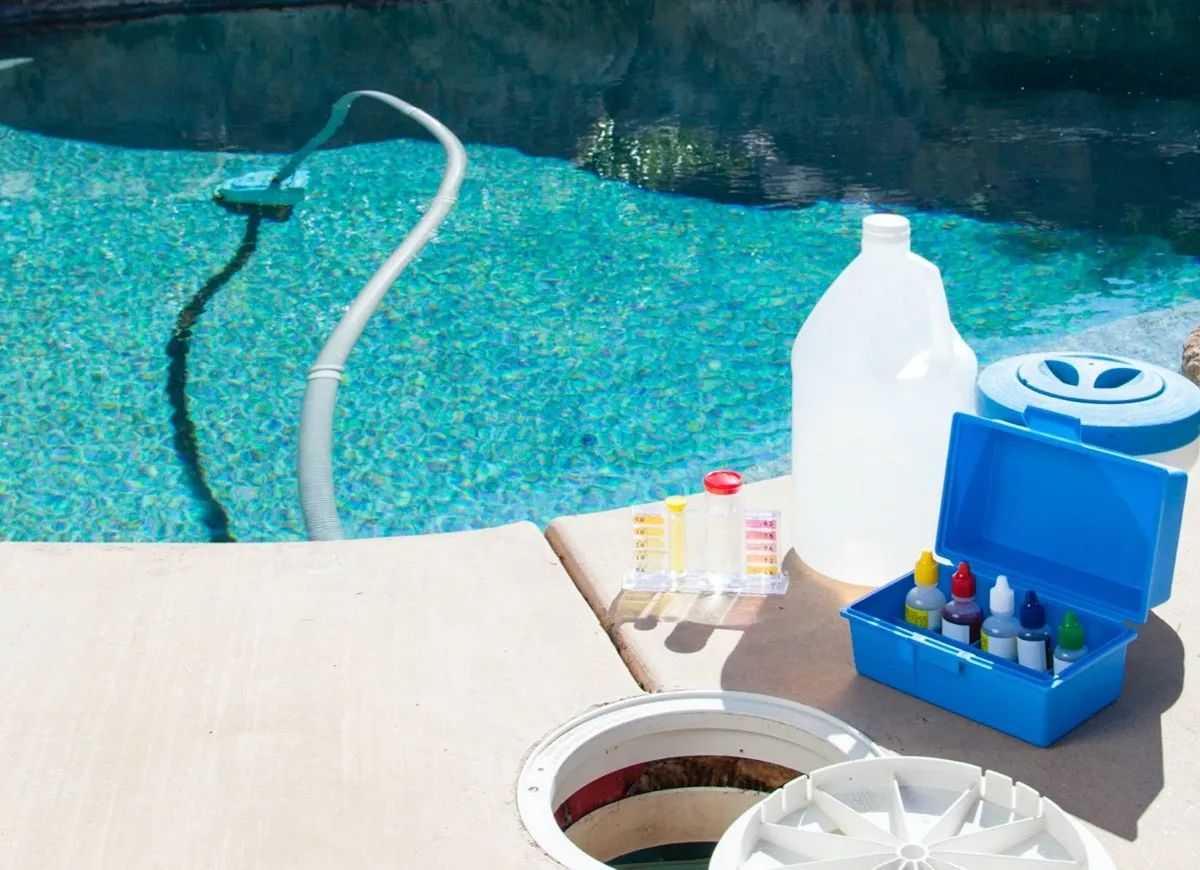
Swimming pools create a relaxing environment for families, guests, and property owners, but maintaining clean and healthy water requires consistent care. A professional pool filter cleaning service plays an important role in preserving water quality, protecting pool equipment, and improving overall swimming conditions. Without proper filtration maintenance, pools can quickly develop cloudy water, algae growth, unpleasant odors, and circulation issues that affect both appearance and safety.
Pool filters work every day to remove dirt, debris, body oils, insects, leaves, and microscopic contaminants from the water. Over time, these particles accumulate inside the filter system and reduce efficiency. When filters become clogged, water circulation weakens and pool equipment must work harder to maintain proper operation. Routine cleaning helps prevent these problems while extending the life of essential components.
Why Pool Filter Maintenance Is Essential
A swimming pool depends on balanced circulation and filtration to stay clean. The filter acts as the primary defense against contaminants that enter the water daily. Even pools that appear clean on the surface may contain hidden debris and bacteria trapped within the filtration system.
Scheduling a professional pool filter cleaning service provides several important benefits:
- Improves water clarity
- Supports healthy swimming conditions
- Enhances circulation efficiency
- Helps maintain balanced chemicals
- Prevents premature equipment damage
- Reduces energy consumption
- Extends filter lifespan
When filters remain dirty for long periods, pumps and motors often experience additional strain. Increased pressure inside the system may eventually lead to expensive repairs or replacement costs. Regular maintenance reduces this risk and keeps the entire pool system operating efficiently.
Understanding Different Types of Pool Filters
Not all pool filtration systems function the same way. Professional technicians understand the cleaning requirements for each filter type and apply proper maintenance methods to avoid damaging sensitive components.
Cartridge Filters
Cartridge filters use pleated fabric materials to trap dirt and debris as water flows through the system. These filters are popular because they offer efficient filtration with lower water consumption. Over time, oils, minerals, and contaminants collect inside the cartridge, reducing performance.
Routine cartridge cleaning removes buildup and restores proper water flow. Neglecting maintenance may cause cartridges to wear out faster and reduce filtration effectiveness.
Sand Filters
Sand filters use specially graded sand to capture contaminants from circulating water. As debris accumulates, pressure inside the filter rises and circulation weakens. Backwashing removes trapped particles, but periodic deep cleaning is still necessary to eliminate oils and compacted debris.
Professional pool filter cleaning helps maintain efficient filtration and prevents sand channeling, which occurs when water bypasses dirty sections inside the tank.
DE Filters
Diatomaceous earth (DE) filters provide highly effective filtration by using fine powder to capture microscopic particles. These systems require detailed maintenance to prevent clogging and maintain proper efficiency.
A skilled pool filter cleaning service removes buildup from DE grids, inspects system components, and restores filtration performance safely.
Common Signs a Pool Filter Needs Cleaning
Many pool owners overlook early signs of filter problems until water quality begins to decline. Identifying issues early can help prevent larger maintenance concerns and protect expensive equipment.
Cloudy or Murky Water
One of the most common signs of a dirty filter is cloudy pool water. When filters become clogged, contaminants remain suspended in the water instead of being removed properly.
Increased Pressure Readings
Most filtration systems include a pressure gauge that monitors internal pressure levels. A sudden increase often indicates restricted water flow caused by debris buildup inside the filter.
Weak Water Circulation
Reduced water movement near return jets may signal that the filtration system is struggling to circulate water effectively. Poor circulation can contribute to algae growth and uneven chemical distribution.
Frequent Algae Growth
Algae thrives in pools with poor circulation and ineffective filtration. If algae continues returning despite chemical treatments, the filter may require professional cleaning.
Unpleasant Odors
Dirty filters can trap bacteria, oils, and organic contaminants that produce unpleasant smells around the pool area. Cleaning the filtration system helps restore cleaner water conditions.
How Professional Pool Filter Cleaning Improves Water Quality
Clean water depends on more than chlorine levels alone. Filtration systems continuously remove contaminants that chemicals cannot eliminate entirely. A professional pool filter cleaning service supports healthier swimming conditions by improving the overall balance of the pool environment.
When filters operate correctly, sanitizers circulate more evenly throughout the water. This improves chemical efficiency and helps maintain consistent water clarity. Clean filtration systems also reduce the likelihood of bacteria buildup, making swimming conditions safer for everyone.
Professional technicians inspect the entire filtration system during cleaning appointments. This process often includes:
- Removing trapped debris
- Inspecting filter components
- Checking pressure levels
- Evaluating circulation performance
- Identifying worn or damaged parts
- Restoring proper water flow
Routine inspections help detect small problems before they become major equipment failures.
The Cost of Ignoring Pool Filter Maintenance
Postponing filter cleaning may seem harmless at first, but neglected maintenance often leads to larger expenses over time. Dirty filters force pumps and motors to work harder, increasing energy usage and accelerating equipment wear.
Common problems linked to poor filter maintenance include:
- Pump damage
- Reduced circulation
- Higher utility costs
- Chemical imbalance
- Algae infestations
- Premature filter replacement
- Water quality issues
Replacing damaged pool equipment can become expensive, especially when multiple components fail due to poor circulation or excessive pressure buildup. Preventive maintenance remains one of the most effective ways to avoid unnecessary repair costs.
Seasonal Pool Filter Cleaning Recommendations
Pool maintenance requirements often change throughout the year depending on weather conditions, pool usage, and surrounding debris levels.
Summer Maintenance
During warmer months, pools typically experience heavier usage and increased exposure to sunscreen oils, dirt, and organic debris. More frequent filter cleaning helps maintain proper circulation and water clarity during peak swimming season.
Fall and Winter Preparation
Leaves and outdoor debris can place additional strain on filtration systems during cooler seasons. Preparing the filter before winter helps prevent buildup and supports smoother operation when warmer weather returns.
Spring Pool Opening
Opening a pool after winter often requires deep cleaning to remove accumulated debris and restore proper circulation. Professional technicians inspect filters and ensure the system is prepared for regular use.
Choosing the Right Pool Filter Cleaning Service
Selecting a reliable provider for pool filter cleaning service helps ensure long-term pool performance and dependable results. Experienced professionals understand different filtration systems and use proper cleaning methods tailored to each pool’s needs.
When evaluating a pool maintenance company, consider the following:
Experience and Technical Knowledge
Qualified technicians understand how to clean cartridge, sand, and DE filters safely and efficiently. Proper handling helps prevent accidental damage during maintenance.
Comprehensive Inspections
A thorough cleaning service should include inspection of gauges, valves, circulation systems, and filter components to identify potential issues early.
Consistent Maintenance Plans
Routine maintenance schedules help maintain water quality and reduce the likelihood of emergency repairs.
Reliable Customer Support
Dependable communication and timely service appointments help pool owners maintain consistent care throughout the year.
Balanced Poolz delivers professional pool maintenance solutions designed to improve filtration performance, maintain cleaner water, and support long-term equipment efficiency for residential pools.
Tips for Maintaining Pool Filters Between Professional Cleanings
Although professional maintenance remains essential, pool owners can take several steps to support filtration performance between service appointments.
Monitor Pressure Gauges
Checking filter pressure regularly helps identify potential circulation issues before they worsen.
Remove Large Debris
Skimming leaves and debris from the pool surface reduces strain on the filtration system.
Maintain Balanced Chemicals
Balanced water chemistry helps prevent mineral buildup and improves filter efficiency.
Schedule Routine Inspections
Regular professional inspections ensure filters remain clean and equipment continues operating properly.
Conclusion
Maintaining a clean and healthy swimming pool requires more than routine chemical treatments. A professional pool filter cleaning service plays a critical role in preserving water clarity, supporting safe swimming conditions, and protecting valuable pool equipment from unnecessary wear.
Clean filters improve circulation, enhance filtration efficiency, and reduce the likelihood of algae growth or costly mechanical problems. Routine maintenance also helps lower energy consumption while extending the lifespan of pumps, motors, and filtration systems.
Investing in professional filter cleaning supports long-term pool performance and creates a cleaner, safer environment for every swimmer. Consistent maintenance remains one of the most effective ways to preserve water quality and avoid expensive repairs in the future.