
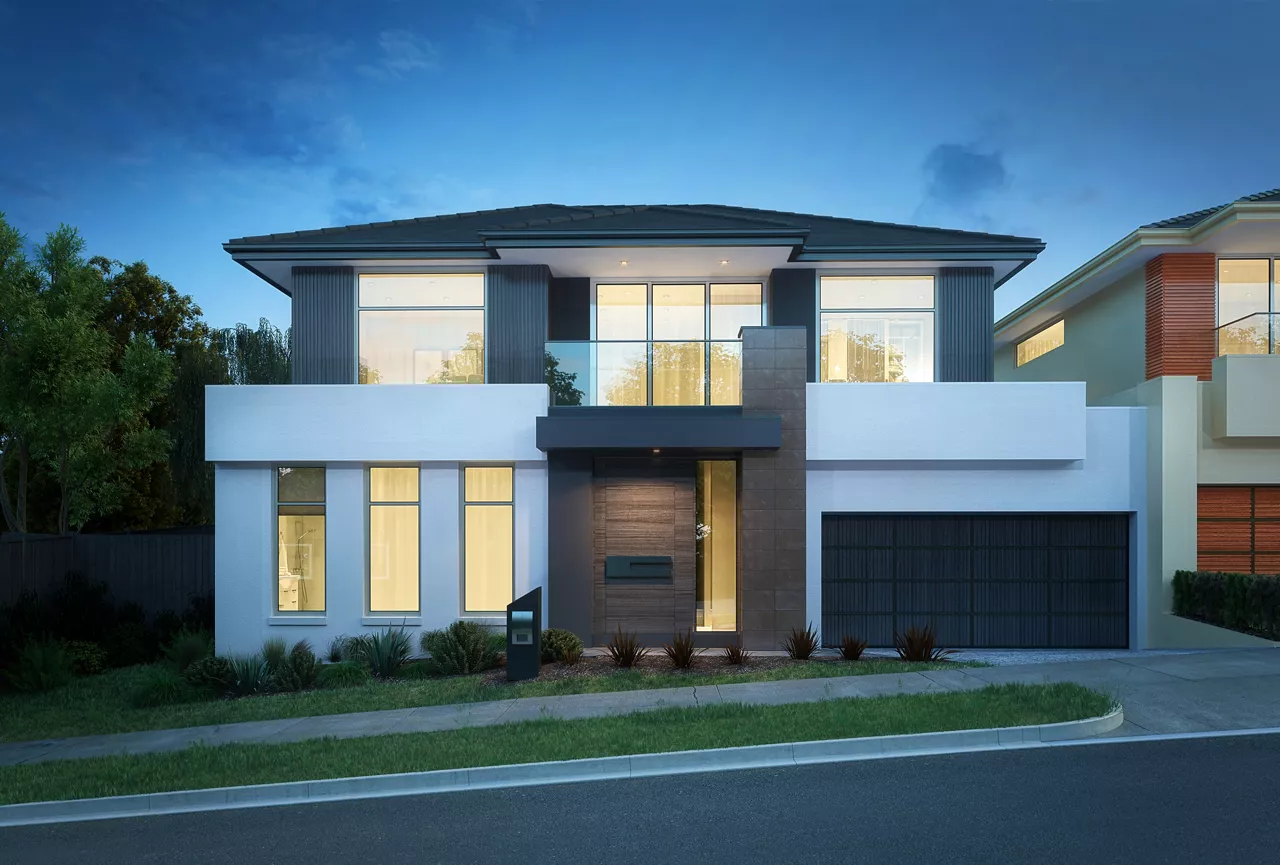
Custom exterior renovations have become a core strategy for homeowners aiming to improve property value, durability, and visual appeal in today’s competitive real estate landscape. As architectural trends evolve and building materials advance, custom exterior renovations now go beyond simple upgrades and focus on creating fully integrated exterior transformations that reflect both lifestyle and long-term performance goals.
For homeowners seeking expert-driven solutions, Home Design Exteriors (homedesignexteriors.com) provides specialized insight into planning and executing exterior improvements that balance design, structure, and sustainability. A well-planned renovation not only enhances curb appeal but also strengthens a property’s overall efficiency and resilience.
The Growing Importance of Custom Exterior Renovations
In modern home design, the exterior is no longer treated as a secondary feature. It has become a defining element of property identity. Custom exterior renovations allow homeowners to tailor every visible and structural detail, ensuring the home reflects both personal taste and environmental adaptability.
First impressions matter significantly in real estate. A dated or poorly maintained exterior can reduce perceived property value, while a well-executed renovation can instantly elevate market appeal. Beyond aesthetics, exterior improvements also contribute to insulation performance, weather protection, and long-term maintenance savings.
Key reasons homeowners invest in custom exterior renovations include:
- Increasing curb appeal for stronger buyer interest
- Enhancing structural protection against environmental conditions
- Improving energy efficiency and reducing utility costs
- Aligning home design with modern architectural trends
- Increasing long-term resale value and market competitiveness
As housing markets become more design-conscious, exterior quality often determines how quickly a property sells and at what price point.
Strategic Planning in Custom Exterior Renovations
Successful custom exterior renovations begin with careful planning. Rather than focusing solely on visual upgrades, a strategic approach evaluates structural needs, material compatibility, climate conditions, and long-term maintenance expectations.
A well-structured renovation plan typically includes:
- Site evaluation and structural assessment
- Architectural style selection and design alignment
- Budget planning with phased improvement priorities
- Material comparison based on durability and climate response
- Energy efficiency analysis for long-term savings
This planning stage ensures that every decision contributes to a cohesive final result rather than disconnected cosmetic changes.
Architectural Design and Personalization
One of the most valuable aspects of custom exterior renovations is design flexibility. Unlike standard remodeling approaches, customization allows homeowners to shape the exterior into a unified architectural expression.
Design personalization may involve adjusting proportions, updating façade elements, or integrating modern design features that improve both aesthetics and functionality.
Common architectural enhancements include:
- Reconfiguring entryways for stronger visual impact
- Adding modern cladding systems for texture variation
- Updating window placements for symmetry and natural lighting
- Incorporating mixed-material façades such as stone and composite finishes
- Enhancing rooflines for improved silhouette and drainage efficiency
These changes ensure that the home reflects a cohesive identity rather than a generic design template.
Material Innovation in Custom Exterior Renovations
Material selection plays a critical role in determining the success and longevity of exterior upgrades. Modern custom exterior renovations increasingly rely on advanced materials engineered for durability, sustainability, and minimal maintenance.
Popular material choices include:
- Fiber cement siding for long-lasting protection and fire resistance
- Engineered wood for natural aesthetics with improved stability
- Metal roofing systems designed for energy efficiency and durability
- High-performance composite panels for modern architectural finishes
- UV-resistant coatings that preserve color and surface integrity
Each material offers specific advantages depending on environmental exposure and design intent. For example, coastal properties often require corrosion-resistant materials, while urban homes prioritize noise reduction and insulation.
Energy Efficiency and Environmental Performance
Energy efficiency has become a major driver of custom exterior renovations. Beyond visual improvements, modern exterior systems are designed to reduce energy consumption and improve indoor comfort.
Upgraded exterior components can significantly reduce heat transfer, minimize air leakage, and enhance overall building performance.
Energy-focused improvements include:
- Installation of insulated wall systems
- Replacement of outdated windows with low-emissivity glass
- Use of reflective roofing materials to reduce heat absorption
- Improved sealing techniques around doors and structural joints
- Integration of ventilated façade systems for temperature regulation
These enhancements not only reduce utility expenses but also contribute to environmental sustainability, making the property more attractive to eco-conscious buyers.
Enhancing Curb Appeal Through Exterior Design
Curb appeal remains one of the strongest factors influencing property perception. Custom exterior renovations provide an opportunity to redesign the home’s visual identity in a way that maximizes first impressions.
Key curb appeal strategies include:
- Creating a balanced color palette that complements surroundings
- Installing modern lighting systems to highlight architectural features
- Designing welcoming entryways with defined focal points
- Integrating landscaping with structural design elements
- Maintaining consistency between roofing, siding, and trim details
When executed correctly, these enhancements create a visually cohesive property that stands out in any neighborhood.
Structural Improvements and Long-Term Durability
Beyond aesthetics, custom exterior renovations often involve strengthening the structural integrity of a home. This includes reinforcing weather resistance, improving drainage systems, and addressing foundational wear.
Durability-focused upgrades may involve:
- Reinforced exterior framing for wind and impact resistance
- Advanced waterproofing systems to prevent moisture damage
- Upgraded gutters and drainage solutions for water management
- Protective coatings that extend material lifespan
- Structural sealing to prevent pest infiltration and air leakage
These improvements help ensure the property remains stable and low-maintenance over time.
Increasing Property Value Through Exterior Transformation
A well-executed exterior renovation can significantly increase property value, often providing one of the highest returns on investment in home improvement projects. Buyers typically evaluate exterior condition before considering interior features.
Value-driven improvements include:
- Modernized façade design aligned with current trends
- Professionally finished driveways and exterior pathways
- Upgraded roofing systems with energy-efficient materials
- Consistent architectural detailing across all exterior elements
- Integration of smart exterior lighting and security features
These enhancements create a strong market advantage, particularly in competitive real estate environments.
Common Challenges in Custom Exterior Renovations
Despite the benefits, exterior renovation projects can face challenges if not properly managed. Understanding potential issues helps ensure smoother execution and better results.
Common challenges include:
- Selecting incompatible materials for local climate conditions
- Overemphasis on aesthetics without considering durability
- Poor project sequencing leading to structural inefficiencies
- Underestimating long-term maintenance requirements
- Lack of cohesive design integration across exterior elements
Addressing these challenges early in the planning stage helps avoid costly redesigns or repairs later.
The Role of Professional Expertise
Professional guidance is essential in achieving successful custom exterior renovations. Experienced exterior specialists understand how to balance design vision with technical requirements, ensuring that every element contributes to both function and aesthetics.
Expert involvement typically includes:
- Detailed design consultation and architectural planning
- Material selection based on performance data
- Compliance with local building codes and regulations
- Project coordination and quality control oversight
- Long-term maintenance planning and recommendations
Working with experienced professionals ensures that renovation goals are met efficiently and effectively.
Conclusion
Custom exterior renovations represent one of the most impactful ways to transform a property’s appearance, performance, and value. By combining thoughtful design, durable materials, and energy-efficient solutions, homeowners can achieve exterior spaces that are both visually striking and functionally resilient. When guided by experienced specialists such as Home Design Exteriors, these renovations become long-term investments that enhance comfort, efficiency, and market appeal while creating a lasting architectural impression.