
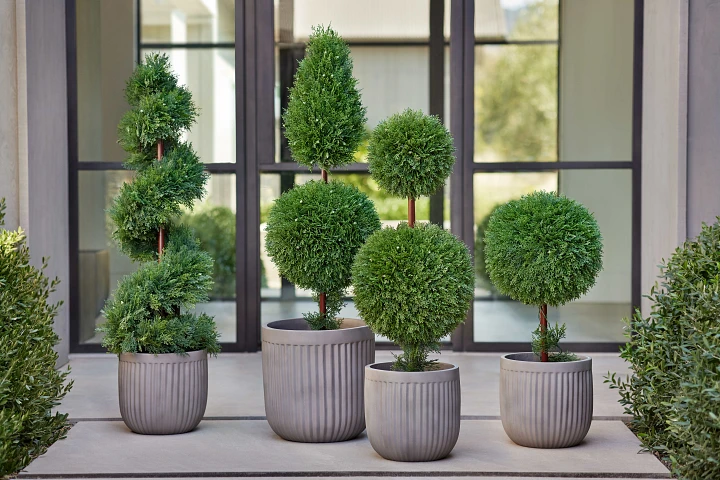
Not every fake flower can handle a real porch. The best outdoor artificial flowers need to look realistic up close, survive blazing sun and pounding rain, and still fit the style of whatever space they’re sitting in. Most artificial flowers are made for indoor shelves and vases, which means they fade, crack, or warp the moment they’re left outside for a season. The good news is that once you know what to look for, picking flowers that hold up gets a lot simpler. This walks through exactly how to choose the right ones for your patio, porch, balcony, or yard.
What Makes Outdoor Artificial Flowers Different?
Indoor artificial flowers are built for soft lighting and stable temperatures, while outdoor ones have to survive a much harsher environment.
The key differences come down to a few factors:
- UV resistance: Outdoor flowers need materials that resist fading under direct sunlight
- Weather resistance: Rain, humidity, and temperature swings shouldn’t warp or damage the petals
- Durability: Stems and joints need to hold up to wind and repeated handling
This means an indoor-only artificial flower left outside will likely fade or break down within a season, no matter how realistic it looked in the store. The difference often isn’t obvious at first glance, since indoor and outdoor versions can look nearly identical sitting side by side on a shelf, which makes checking the label far more reliable than judging by appearance alone.
Choose the Right Material
Material is where the real difference between indoor and outdoor flowers shows up.
UV Resistant Materials
Look for flowers made with UV-stabilized plastic or fabric, since these are specifically designed to resist fading in sunlight. Cheaper materials without UV protection often turn dull, chalky, or discolored after a few months outside.
Signs a material is built for sun exposure:
- Labeled UV resistant, UV protected, or fade resistant
- Color stays consistent across light and shaded petals rather than fading on one side
- Manufacturer specifies an outdoor or patio use case
Water Resistant Materials
Choose materials that handle rain and humidity better, such as polyethylene or treated polyblend plastics. These shed water instead of absorbing it, which prevents warping, mold, and that washed-out look that ruins cheaper flowers.
Watch for these warning signs of poor water resistance:
- Petals that feel soft, porous, or fabric-like rather than coated
- No mention of weatherproof, water resistant, or outdoor safe on the label
- Visible seams or stitching that could trap moisture over time
Fabric petals, by contrast, tend to soak up moisture and sag after a few heavy storms.
Durable Construction
Strong stems, coated finishes, and quality assembly matter as much as the flower head itself.
These quick checks help confirm build quality before buying:
- Bend the stem gently to check for flexibility without cracking
- Look for coated or wrapped wire stems instead of bare plastic
- Check that leaves and petals are securely attached rather than only glued at the edges
As a result, a well-built stem can survive wind and accidental bumps that would snap a flimsier one in half.
Match Flowers to the Space
The right artificial flower depends heavily on where it’s going to live.
Covered Patios and Porches
Covered spaces protect flowers from direct rain, which means more delicate-looking arrangements can work well here without breaking down quickly.
Open Gardens and Yards
Open, exposed areas need sturdier, more structured designs that can handle wind, sun, and rain without protection. Lightweight or delicate stems tend to struggle in fully exposed spots.
Balconies and Entryways
Compact arrangements and weighted containers work best in these smaller, often windier spaces. Heavier bases also keep pots from tipping over in a gust.
Pick Colors and Styles That Look Natural
Color and styling choices make the biggest difference in whether a fake flower reads as real.
Seasonal Color Choices
Bright tones suit spring and summer, while deeper, richer tones fit fall and winter better. Matching the season this way also helps the arrangement blend in with whatever is naturally blooming nearby.
Realistic Styling
Choose arrangements that complement your surrounding plants and materials instead of standing out as an obvious replacement. These easy upgrades go a long way:
- Mix in real soil, mulch, or stones to hide the base
- Combine a few different flower types instead of one uniform bunch
- Vary the height and angle of stems so they don’t look perfectly identical
Decide on Display Format
How you display the flowers matters as much as the flowers themselves.
Pots and Planters
Pots and planters create a grounded, finished look, especially when paired with real soil or stones at the base to hide the stems.
Hanging Baskets
Hanging baskets work best for porches and smaller outdoor areas where floor space is limited. They also catch more light and movement, which helps them look more alive.
Tabletop or Accent Pieces
Smaller arrangements suit patios and outdoor dining areas, adding color without taking up much room on a table or shelf.
Quick Comparison: Display Formats
Here’s a fast look at which format fits which kind of space.
| Format | Best Spaces | Key Benefit |
| Pots and Planters | Patios, entryways | Grounded, finished look |
| Hanging Baskets | Porches, small areas | Saves floor space, catches light |
| Tabletop Pieces | Dining areas, balconies | Compact color without bulk |
Practical Buying Tips
Reading the label closely before you buy saves a lot of disappointment later.
- Look for UV-protected and weather-resistant labels before purchasing
- Avoid lightweight or overly delicate stems for fully exposed areas
- Check reviews and product photos to confirm real-world durability rather than studio shots alone
In addition, buying one sample stem before committing to a full arrangement is a smart way to test how a material holds up in your specific climate.
Keeping Them Looking Fresh
Even durable outdoor flowers benefit from a little upkeep over time.
This simple seasonal routine helps:
- Rinse with a garden hose every few weeks to clear dust, pollen, and grime
- Wipe stubborn spots with a damp cloth and mild soap rather than harsh cleaners
- Reposition or fluff petals occasionally so the arrangement keeps its natural shape
- Bring planters indoors or under cover during severe storms or extreme cold if possible
These small habits add years to the life of even the highest quality artificial flowers.
Bottom Line
Choosing the best outdoor artificial flowers comes down to picking the right material first, then matching the style and display format to your space. UV-resistant, weather-rated flowers in a sturdy display will outlast cheaper options by years rather than months.
For those who appreciate naturally inspired floral design, Growing Wild Manhattan Beach is known for creating beautiful arrangements using sustainably grown blooms. While fresh flowers have their own charm, choosing the right outdoor artificial flowers can provide lasting color and beauty for any outdoor space throughout the year. Growing Wild loves to help bring that same natural beauty to your next wedding or event.