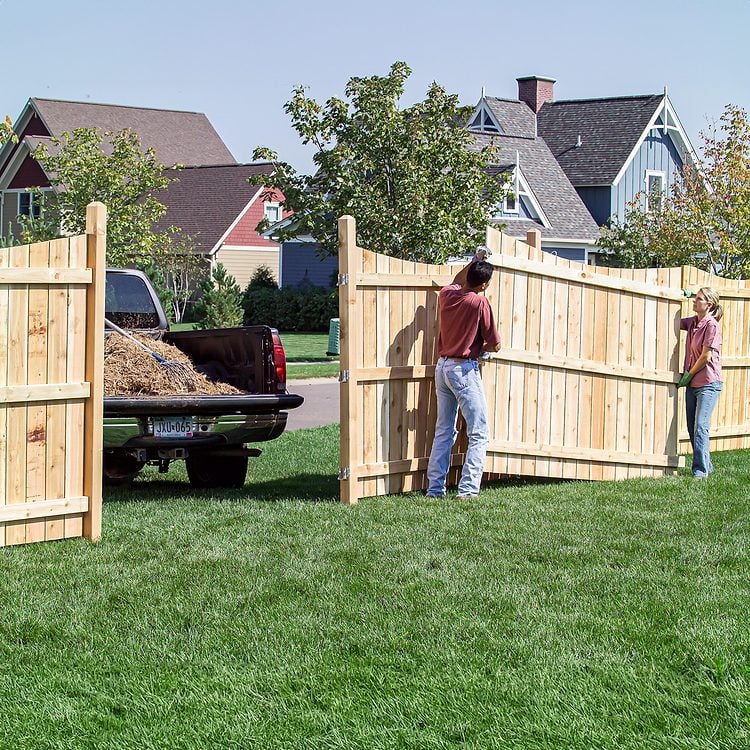
A fence can look perfect on installation day and become an expensive obstacle five years later. The trouble usually starts when homeowners design around the yard they have now instead of the life the property may need to support next. To plan a fence well, think beyond style and ask what must still pass through the yard, who may live there, how privacy needs could change, and which parts can be repaired without rebuilding the whole line. That is the heart of long-term fence design.
A young couple may want a clean boundary today, then add a dog, a play area, a pool, or a backyard office. A future owner may need wider access for a trailer or landscaping equipment. Even small choices, such as gate placement and panel width, can decide whether those changes feel easy or painful. Broader property improvement planning resources can help you compare ideas, but your own site should make the final call. Good planning means leaving options open, choosing materials that fit the local climate, and avoiding details that lock you into one use. The goal is not to predict every change. It is to make the fence forgiving when change arrives.
Plan a Fence Around Change, Not Today’s Snapshot
Most fence mistakes begin with a narrow question: “What do I need to block or contain right now?” That question matters, but it does not reach far enough. A better starting point is to list the jobs the boundary may need to handle across different stages of ownership. This shift turns a decorative purchase into a working part of the property. It also keeps the budget honest. You can spend more on structural choices that are costly to change later, while leaving surface details open for a cheaper update.
Map the jobs the boundary may need to do
Start with function before you look at picket shapes or stain colors. A backyard enclosure may need to hold a dog, give children a safer play zone, hide a neighbor’s patio, support climbing plants, guide guests toward a side entrance, or separate a garden from the lawn. Those jobs can conflict. A solid six-foot wall gives privacy, for example, but it can make a small yard feel boxed in and may block a view you later wish you had kept.
Write down present needs, likely needs, and possible needs. Present needs deserve firm design choices. Likely needs deserve built-in preparation. Possible needs deserve room, not expensive hardware. A family expecting a medium-size dog might choose smaller gaps at the bottom now. They do not need to install kennel panels across the whole yard. This simple ranking keeps long-term fence design grounded instead of turning it into guesswork.
Think about changes that follow the house rather than the people. A patio may expand. An air-conditioning unit may need replacement. A tree could mature beside the line. A shed might arrive on a delivery cart. In many suburban yards, the fence becomes the narrowest part of every future project. Resale belongs in the discussion too, because permanent partitions can make a useful yard feel chopped into small pieces. Keep specialized zones removable when possible, especially dog runs, garden screens, and equipment enclosures. The non-obvious lesson is that an opening you rarely use can matter more than a panel you see every day.
Reserve space before the yard fills up
Gate width deserves more thought than most homeowners give it. A narrow walk gate works for groceries and trash cans, yet it may not accept a riding mower, wheelbarrow loaded with soil, compact excavator, or utility trailer. A double gate can solve that problem, but only when the approach stays clear on both sides. Posts placed beside a downspout, retaining wall, or planting bed can reduce the usable opening.
Consider a homeowner who installs a 42-inch side gate because the current push mower fits. Six years later, a contractor needs to move a 48-inch machine into the backyard to rebuild a drainage swale. The machine cannot pass. Removing a panel sounds easy, but a buried post, concrete footing, and attached trellis turn a small access issue into a repair job. Leaving one wider service opening would have cost less than the later disruption.
Space also protects choice. Keep enough clearance near utility equipment, outdoor faucets, meters, and drainage routes. Do not crowd a gate against steps or a steep grade where it cannot swing freely. A few feet of open approach may feel wasted during installation. It is not wasted. It is stored flexibility, and future-proof fencing depends on it.
Let the Site Decide the Line
Once you know what the fence may need to do, the property itself should control where and how it gets built. A sketch made from a real estate listing or an old backyard plan cannot show every easement, grade change, utility route, or drainage path. The ground has its own rules, and ignoring them creates trouble that no premium panel can fix. Walk the line at different times of day and, when possible, after rain. Shadows, runoff, traffic sightlines, and tight corners often reveal problems that stay invisible on paper.
Verify boundaries, setbacks, and buried lines
Begin with ownership, not appearance. Locate survey pins when they exist, review the recorded plat, and hire a surveyor when the line remains uncertain. A hedge, old fence, or row of trees may sit near a boundary without marking it accurately. Building several inches inside your land can reduce conflict, but it may also create a narrow strip that becomes hard to mow or maintain. The right offset depends on local rules and neighbor access.
Check city or county requirements before ordering materials. Height limits, corner visibility, street-side setbacks, pool barriers, and permit rules can change from one jurisdiction to another. Homeowners in an association may face another layer of review covering color, style, and finished-side orientation. Use a property line and fence permit checklist to organize the documents, then confirm every point with the office that governs your address.
Before any post hole is dug, contact 811 before digging so utility operators can mark buried lines. The national 811 service specifically includes fence installation among the projects that require a locate request. Private lines, such as power running from the house to a detached shed, may not appear in the public marking process, so those routes need separate attention.
Let drainage, wind, and slope shape the fence
Water should pass through the property without collecting around posts or pushing soil against the lower boards. Watch the yard during a hard rain before finalizing the layout. A low area that looks harmless in dry weather may carry runoff from three neighboring lots. Blocking that route with a tight bottom board can trap debris, create ponding, or send water toward the house.
Wind also changes the best design. A solid privacy panel behaves differently from an open picket or metal rail fence. On an exposed corner lot in western Oklahoma, a tall solid run may face repeated pressure during storms. In a protected Atlanta backyard, moisture and plant growth may create the larger concern. The right answer comes from the site, not a national style trend. Sometimes a small amount of openness gives you more comfort because it reduces the closed-in feeling and allows air to move.
Slopes reveal poor planning fast. Stepped panels can leave triangular gaps under the fence, while racked panels follow the grade more closely. Neither method wins everywhere. A dog owner may care more about low gaps; a formal front yard may favor level panel tops. The counterintuitive choice may be to spend less on decorative sections and more on grading, drainage stone, or stronger corner posts. Those hidden details protect the fence long after the first photographs are taken.
Choose a System You Can Repair in Pieces
Material selection often turns into a contest between wood, vinyl, aluminum, steel, composite, and masonry. That misses the point. The better question is how each system fails on your property and whether one damaged area can be repaired without disturbing everything beside it. A fence that lasts is not one that never changes. It is one that tolerates damage without becoming a full replacement. The surface gets most of the attention, yet posts, rails, brackets, and fasteners decide how repairable the system will be. Ask about those parts before choosing a finish.
Judge fence material lifespan by its weak point
Every material has a weak point. Wood can decay where posts meet damp soil, split around fasteners, or lose its finish under strong sun. Vinyl avoids rot but can crack from impact and may become hard to match after a product line changes. Steel can rust where coatings get cut. Aluminum resists rust, yet light sections may bend under falling limbs or vehicle contact. Composite boards can hold up well while brackets, rails, or internal supports become the repair concern.
Climate makes those weak points louder. In coastal areas, salt exposure can punish unprotected metal parts. In northern states, frost movement can shift shallow posts. In desert heat, dark surfaces can become hot and some finishes fade faster. The broad material categories stay the same, but the fence material lifespan depends on installation details, grade, exposure, and care. That is why two similar fences on the same street can age differently.
Look past the showroom sample and ask what touches the soil, what carries the load, what holds each panel, and what happens when one component breaks. A cedar board can be replaced with common lumber. A shaped vinyl rail from a discontinued collection may be harder to source. The surprising truth is that the higher-priced system can become the poorer long-term choice when its small parts depend on one manufacturer.
Build replacement into the original design
Favor standard dimensions and accessible fasteners where the style allows. Screws cost more than nails in some wood installations, but they make later board replacement cleaner. Removable panels beside a service route can preserve equipment access. Separate trim pieces can hide fasteners without trapping them forever. These are small construction choices with large repair value.
Ask the installer how a damaged panel comes out. If the answer involves removing three posts or breaking finished concrete, the system has little tolerance for ordinary accidents. A delivery driver may back into a corner. A snowplow can push packed snow against a street-side section. A falling branch may damage one bay. Future-proof fencing should let that bay come apart without starting a chain reaction.
Keep a record of the manufacturer, collection name, color code, post spacing, hardware finish, and installer details. Store a few spare pickets, caps, boards, or brackets when the budget allows. This may seem excessive on day one. Ten years later, a matching part can save an entire section from looking patched. Repair planning is not pessimism. It is part of owning an outdoor structure.
Design Daily Use Before Curb Appeal
A fence earns its value through ordinary movement: taking out trash, walking a dog, carrying a bicycle, moving a grill, welcoming guests, or getting a contractor into the yard. Those routines expose awkward latches and misplaced gates long before the material reaches the end of its life. Design the path first. Then make it attractive. Before approving the layout, mark proposed gates with stakes and walk through them for several days. A temporary outline can expose a bad turn or blocked view before concrete makes the choice permanent.
Place gates where people naturally move
Stand in the yard and walk the routes you expect to use. Move from the driveway to the patio. Carry an empty trash bin toward the curb. Picture a child running from the back door to a play area. Notice where you turn, where the grade changes, and where a gate would force an extra loop. A beautiful entrance that people avoid has failed its main job.
Gate swing matters too. An inward-swinging gate may collide with a parked car, garden bed, or snow pile. An outward swing may cross a sidewalk or create a hazard beyond the property. Sliding gates save swing space but need a clear run and suitable hardware. Latches should sit where adults can reach them while meeting any local safety rules that apply to pools or child barriers.
One practical example comes from homes with attached garages and fenced side yards. The owner places the gate halfway down the wall to center it visually. Each week, trash bins must turn around the air-conditioning condenser, squeeze through the opening, and scrape the siding. Shifting the gate six feet closer to the driveway would have improved daily life without changing the fence cost. Symmetry often matters less than a clean path.
Price the next decade, not installation day
Compare ownership cost, not only the first quote. Wood may require washing, staining, painting, and occasional board replacement. Metal may need coating touch-ups where scratches expose the surface. Vinyl often needs less finish work, though broken proprietary pieces can cost more to match. Vegetation control, gate adjustment, post repair, and hardware replacement belong in the budget for every material.
Create a simple ten-year care schedule before signing a contract. List the work you can do, the work you will hire out, and the parts most likely to need attention. Then compare that plan with your time and patience. A low purchase price loses its appeal when the required care never fits your life. On the other hand, paying the highest price does not guarantee the best result. A common material with local repair support may age better than a rare product with a long warranty and no nearby parts.
Use a guide to choosing fence materials for local weather to narrow the field, then ask contractors for line-item quotes. Separate posts, panels, gates, demolition, disposal, grading, and permit work. Clear pricing makes tradeoffs visible. It also helps you protect the parts that matter most, such as stronger gate posts or corrosion-resistant hardware, while simplifying decorative areas. That balance is where future-proof fencing becomes practical rather than expensive.
Conclusion
A fence should not freeze your property in its current form. It should guide the yard, protect the people using it, and leave enough room for the next stage of ownership. The strongest decisions often hide in plain sight: a wider service gate, a verified boundary, a post detail suited to local soil, or a panel that can come out without damage.
When you plan a fence for the next decade, resist the urge to spend every dollar on the part people see. Put money into access, drainage, repairable connections, and hardware that can survive repeated use. Those choices carry more long-term value than ornate caps or a fashionable color that may disappear from the catalog.
Walk the site again before construction starts. Test routes with bins, mowers, pets, and future equipment in mind. Ask how one damaged section will be replaced. Confirm the line, the rules, and the underground risks. Then choose the design that gives your household room to change. A good fence marks a boundary; a smart one keeps that boundary from becoming a burden.
Frequently Asked Questions
How far ahead should I think when designing a new fence?
Ten years is a useful planning window because it captures common changes in pets, children, vehicles, landscaping, and outdoor projects. You do not need to predict every event. Leave wider access, repairable sections, and enough open space to adapt without major demolition.
What fence material needs the least ongoing maintenance?
Vinyl and aluminum often need less routine finish work than wood, but local weather, product quality, and installation still matter. Compare cleaning, impact repair, replacement-part access, and hardware care rather than choosing from the material name alone.
How wide should a gate be for future backyard access?
Size at least one opening around the largest equipment you may reasonably need, not the mower you own today. Consider trailers, compact machines, large appliances, shed deliveries, and landscaping carts. Keep the approach clear so the stated gate width remains usable.
Should a new fence sit directly on the property line?
Only after the boundary and local rules are confirmed. Some owners build slightly inside their land to reduce disputes or preserve maintenance access. Too much offset can create an awkward strip, so review the survey, setbacks, easements, and neighbor conditions first.
Is a wood fence a sensible choice for a ten-year plan?
Yes, when the species, post setup, finish schedule, and climate fit the site. Wood offers easy local repairs and flexible styling. Its weak points usually appear near soil contact, exposed end grain, and neglected coatings, so those areas deserve more attention.
How can a fence adapt to future pets or children?
Choose gaps, bottom clearance, latch position, and gate security with likely household changes in mind. Removable mesh, add-on privacy panels, and replaceable lower boards can add protection later. Avoid designs that require rebuilding the full run for one new need.
Can privacy be added later without replacing the entire fence?
Often, yes. Open metal fencing can accept approved screens or planting, while some wood and vinyl systems support topper sections. Check wind load, post strength, local height limits, and manufacturer rules before adding weight or turning an open fence into a solid barrier.
What should I ask a fence contractor before hiring them?
Ask who confirms the boundary, who handles permits, how posts suit local soil, how gates receive support, and how one panel gets replaced. Request product details, hardware specifications, warranty limits, cleanup terms, and a line-item price for any site preparation.
