
When homeowners think about painting, they often focus on choosing the perfect color or finish. However, one of the most important steps in achieving a professional and long-lasting result happens before the paint is even applied: priming.
Primer plays a crucial role in both drywall repairs and repainting projects. It helps create a smooth surface, improves paint adhesion, and ensures a more consistent finish. Whether you’re repairing a small hole or repainting an entire room, skipping primer can lead to uneven color, poor durability, and disappointing results.
In this article, we’ll explore the role of primer in drywall repairs and repainting projects and explain why it is an essential part of the process.
What Is Primer?
Primer is a preparatory coating applied to surfaces before painting.
Unlike paint, primer is specifically designed to seal porous materials, improve adhesion, and create a uniform surface for the topcoat. It acts as a bridge between drywall and paint, helping the final finish look smoother and last longer.
There are various types of primers available, each formulated for specific surfaces and conditions.
Why Primer Is Important in Drywall Repairs
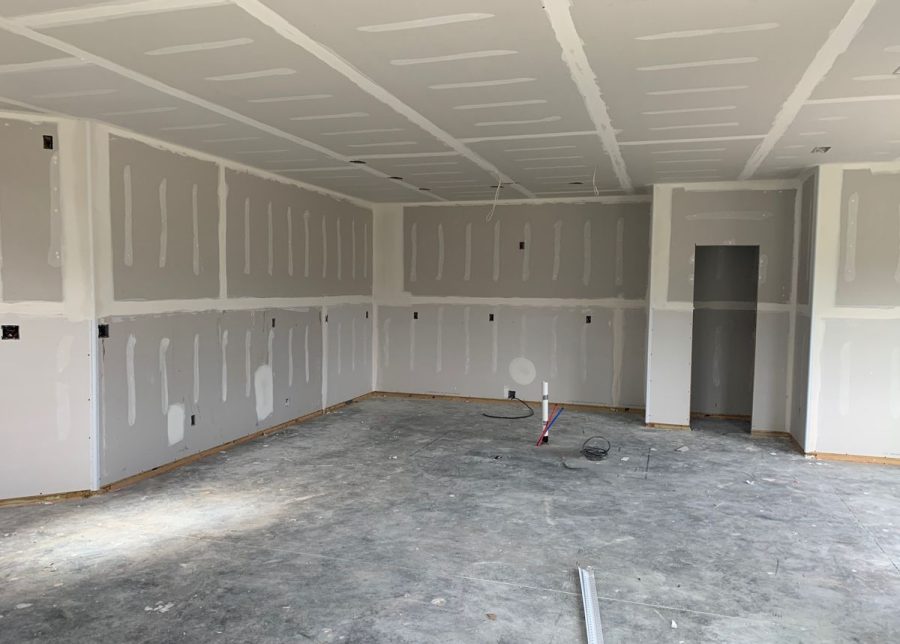
Drywall repairs often involve patching holes, cracks, dents, or damaged sections of wall. These repaired areas are usually covered with joint compound, which is highly porous.
If paint is applied directly over patched drywall without primer, the repaired area may absorb paint differently than the surrounding wall. This can create visible spots, uneven color, and inconsistent sheen.
Primer helps seal the repaired area and creates a consistent surface for painting.
Sealing Porous Surfaces
One of the primary functions of primer is sealing porous materials.
Fresh drywall compound absorbs moisture quickly, which can cause paint to dry unevenly. This often results in flashing, where repaired areas appear noticeably different from the rest of the wall.
Applying primer prevents excessive paint absorption and ensures a more uniform appearance.
Improving Paint Adhesion
Paint performs best when it has a stable surface to bond with.
Primer creates an ideal foundation that allows paint to adhere properly. Strong adhesion reduces the risk of peeling, cracking, or premature paint failure.
This is especially important in high-traffic areas where walls are exposed to daily wear and cleaning.
Creating a Uniform Finish
Without primer, repaired drywall sections can stand out even after multiple coats of paint.
Primer equalizes the surface texture and absorption rate across the entire wall. This helps ensure consistent color, sheen, and overall appearance once the final paint coats are applied.
A uniform finish is one of the key characteristics of professional-quality painting.
Primer in Repainting Projects
Primer is not only useful for drywall repairs—it can also be highly beneficial during repainting projects.
Depending on the condition of the existing surface, primer may improve paint coverage, hide stains, and enhance the durability of the new finish.
In many situations, primer helps homeowners achieve better results while using fewer paint coats.
Covering Stains and Discoloration
Walls may develop stains from water damage, smoke, grease, or previous repairs.
Many specialty primers are designed to block these stains and prevent them from bleeding through fresh paint. Without proper priming, discoloration can often reappear even after multiple coats of paint.
Using the right primer creates a clean foundation for a fresh new look.
Helping with Color Changes
Significant color changes often require additional preparation.
Painting a light color over a dark wall—or vice versa—can be difficult without primer. A quality primer helps create a neutral base, allowing the new paint color to appear more accurate and consistent.
This can reduce the number of paint coats needed and improve overall coverage.
Enhancing Paint Durability
Primer contributes to the long-term durability of painted surfaces.
By strengthening the bond between the wall and the paint, primer helps reduce peeling, blistering, and chipping. This added protection can extend the lifespan of the paint job and reduce future maintenance needs.
A properly primed surface often performs better under everyday wear and environmental conditions.
Different Types of Primer
Not all primers are the same. Choosing the correct product depends on the project requirements.
Drywall Primer
Specifically designed for new drywall and repaired areas, drywall primer seals porous surfaces and creates an even foundation.
Stain-Blocking Primer
Used to cover water stains, smoke damage, and other discoloration that could bleed through paint.
Bonding Primer
Designed for difficult surfaces where additional adhesion is needed.
Mold-Resistant Primer
Often used in bathrooms, kitchens, and other moisture-prone areas to help prevent mold growth.
Selecting the appropriate primer ensures optimal results.
Common Mistakes Homeowners Make
Many DIY painters underestimate the importance of primer.
Some common mistakes include:
- Skipping primer entirely
- Using the wrong type of primer
- Applying paint before primer fully dries
- Failing to prime repaired drywall patches
- Assuming paint-and-primer products replace dedicated primer in all situations
These mistakes can negatively affect both appearance and durability.
The Value of Professional Preparation
Professional painters understand that preparation is just as important as painting itself.
Experienced home painters know when primer is necessary, which products to use, and how to apply them correctly. Their attention to detail helps ensure smooth, consistent, and long-lasting results.
Proper preparation often makes the difference between an average paint job and an exceptional one.
Why Drywall Repairs Require Special Attention
Drywall repairs are particularly dependent on proper priming.
Professional drywall repairing services ensure that repairs are properly prepared, primed, and finished for a seamless appearance.
Homeowners seeking reliable home painters can benefit from expert surface preparation that delivers superior results.
After patching and sanding, repaired areas may appear smooth, but they still require sealing before paint application. Skipping this step often results in visible repair marks even after painting.
Likewise, professional drywall repairing services help ensure that patched walls blend perfectly with surrounding surfaces.
Primer is one of the most important yet often overlooked components of drywall repairs and repainting projects. By sealing porous surfaces, improving paint adhesion, covering stains, and creating a uniform finish, primer provides the foundation for a successful paint job.
Whether you’re repairing a small patch or repainting an entire room, taking the time to properly prime surfaces can dramatically improve the final outcome. When combined with quality materials and professional workmanship, primer helps ensure beautiful, durable results that last for years.
A well-prepared surface is the key to achieving a smooth, flawless finish, making primer an essential step in any drywall repair or repainting project.